
Transforming History into Opportunity: Placemaking & Adaptive Reuse in Hays County


Unveiling the Potential of Hays County
Hays County, steeped in rich history and vibrant culture, offers a unique opportunity for growth and development through the art of placemaking and adaptive reuse. As communities aim to preserve their heritage while adapting to modern needs, Hays County stands as a prime example of how historical structures can be transformed into thriving spaces.
Placemaking and adaptive reuse are not just buzzwords; they are pivotal strategies for sustainable development. By repurposing existing structures, communities can maintain their historical identity while fostering economic growth. This approach not only conserves resources but also breathes new life into old spaces.
The Essence of Placemaking
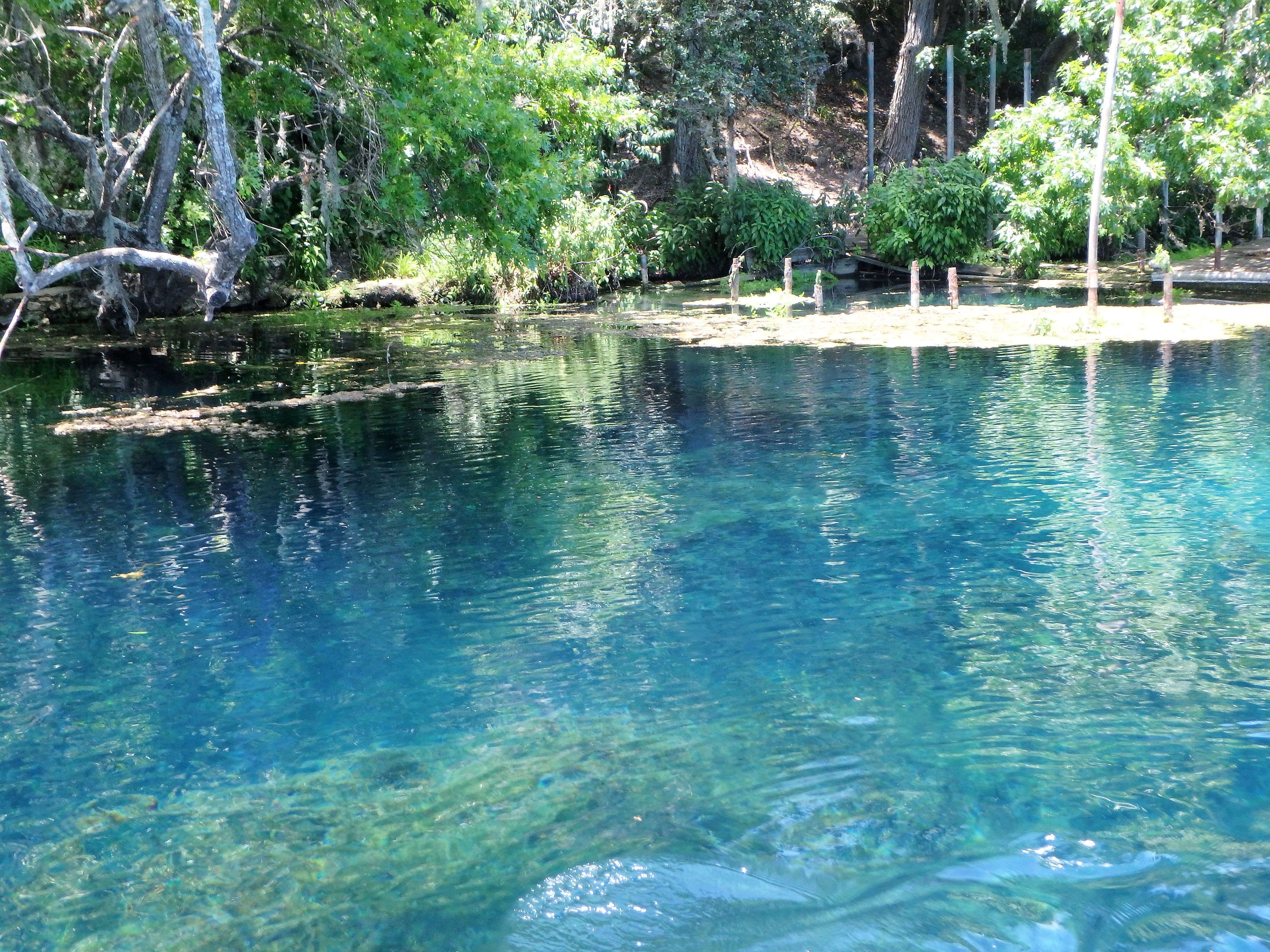
Placemaking is about creating spaces that promote people's health, happiness, and well-being. In Hays County, this means transforming underutilized areas into vibrant community hubs. Through collaborative planning and design, these spaces become more than mere locations; they become the heart of the community.
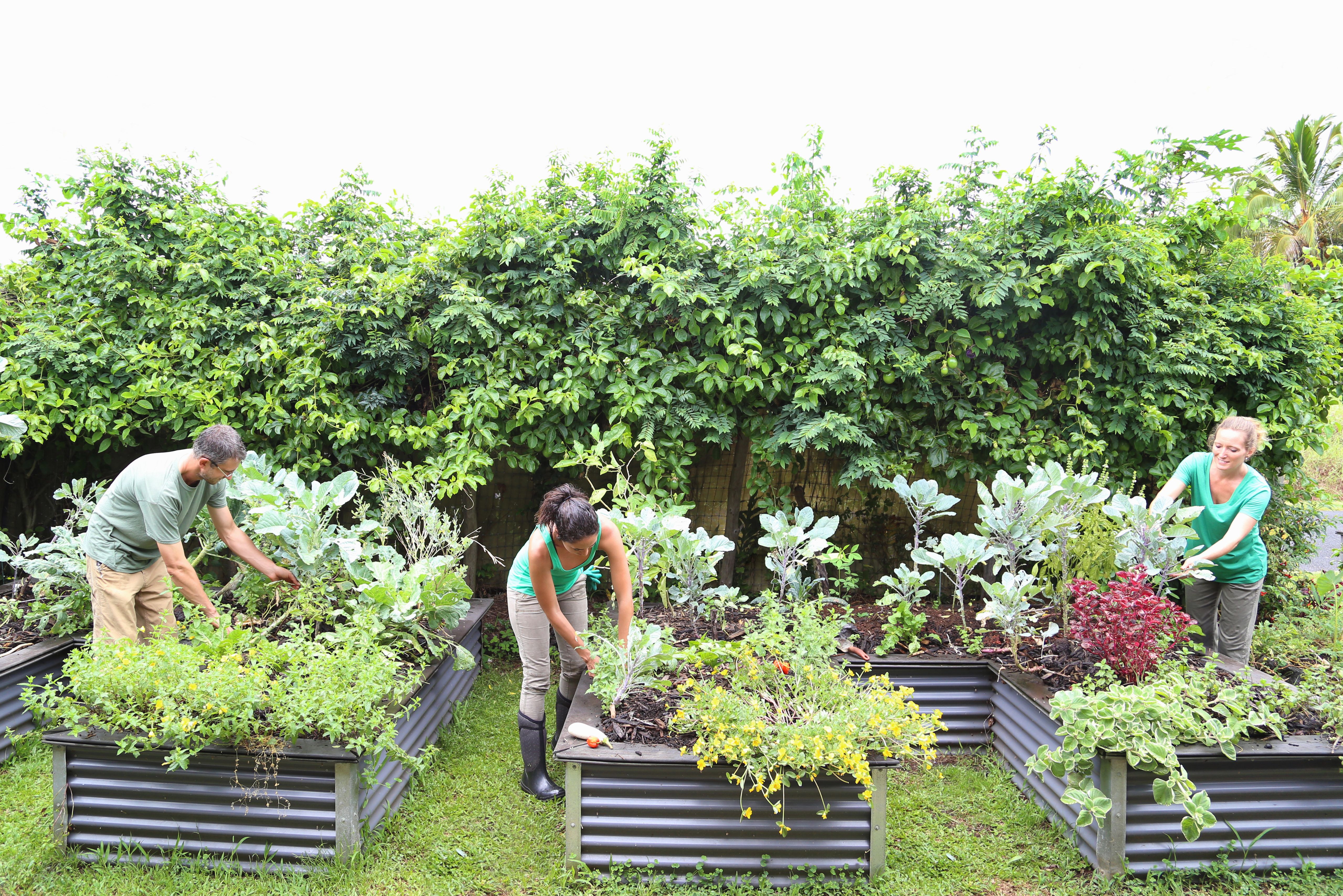
Successful placemaking integrates local culture and history, making the space relevant and meaningful. Public art installations, community gardens, and interactive spaces are just a few ways to enhance the local atmosphere. By engaging residents in the process, the community gains a sense of ownership and pride in the transformation.
Adaptive Reuse: Breathing New Life into Old Structures
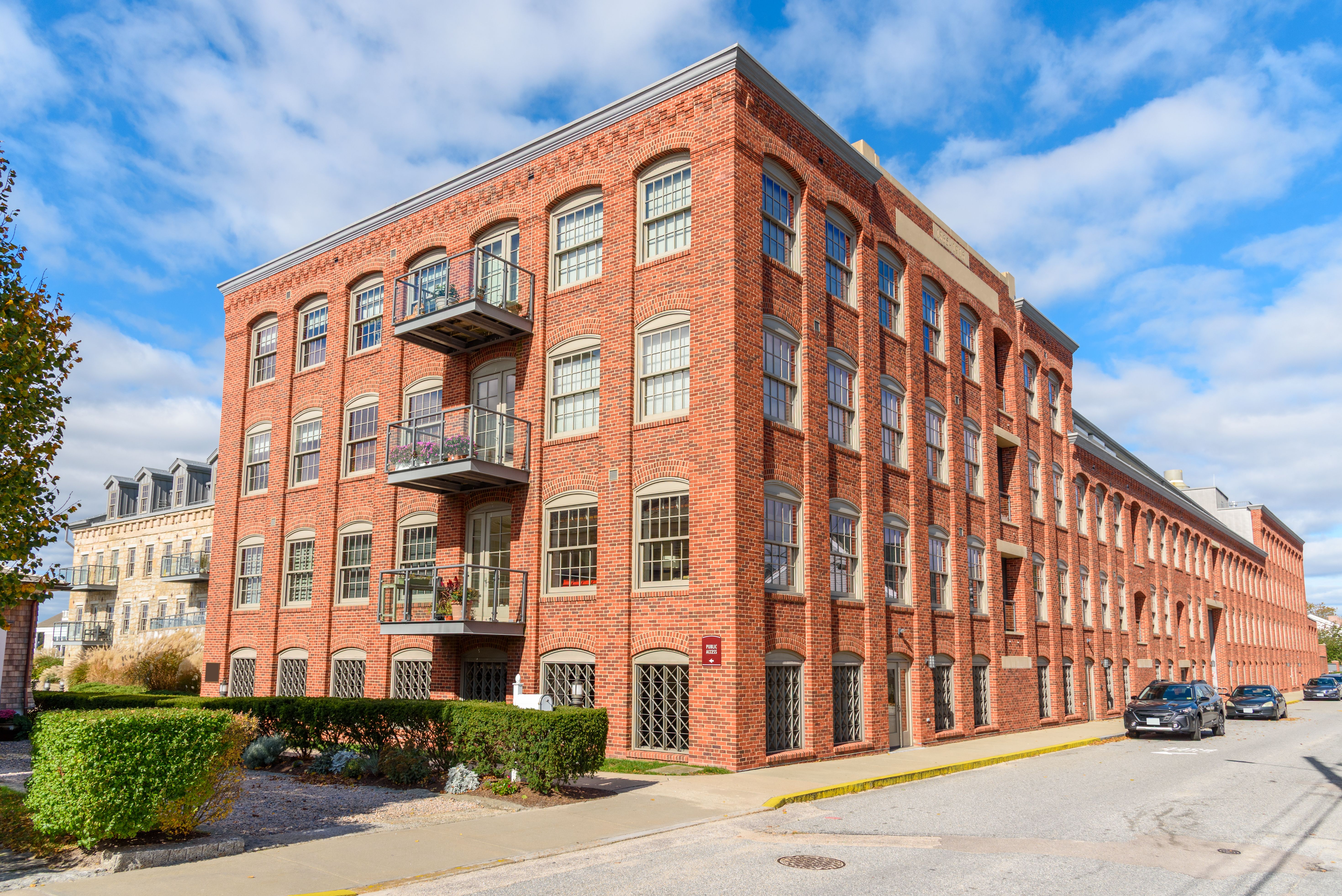
Adaptive reuse involves redesigning and repurposing old buildings to fit new needs. In Hays County, this approach is crucial for preserving historical architecture while supporting modern functionality. By converting old warehouses into lofts or turning historic homes into boutique shops, the county can retain its charm while meeting contemporary demands.
One of the advantages of adaptive reuse is the reduction of construction waste and environmental impact. By utilizing existing structures, developers can save on materials and energy, promoting a more sustainable approach to building. This not only benefits the environment but also appeals to eco-conscious consumers.
Economic and Social Benefits
The economic benefits of placemaking and adaptive reuse are significant. By revitalizing old spaces, Hays County can attract tourism, new businesses, and investments. These efforts create jobs and stimulate the local economy, turning historical sites into financial assets.
Socially, these strategies foster a sense of community and belonging. As residents and visitors engage with revitalized spaces, they form connections and create memories. This sense of community strengthens local identity and encourages civic engagement.

Challenges and Considerations
While the benefits are clear, placemaking and adaptive reuse come with challenges. Navigating zoning laws, preserving structural integrity, and securing funding can be complex. However, with careful planning and collaboration, these obstacles can be overcome.
It is essential to involve local stakeholders, including government entities, businesses, and residents, in the planning process. By aligning the vision with community needs and values, projects are more likely to succeed and gain public support.
As Hays County continues to evolve, the strategies of placemaking and adaptive reuse offer a promising path forward. By embracing these methods, the county can honor its past while creating opportunities for the future, transforming history into a catalyst for growth and innovation.